"Never Again" Is a Commitment, Not a Slogan: Kwibuka 32 at UN City Copenhagen7 April 2025 · UN City, Copenhagen
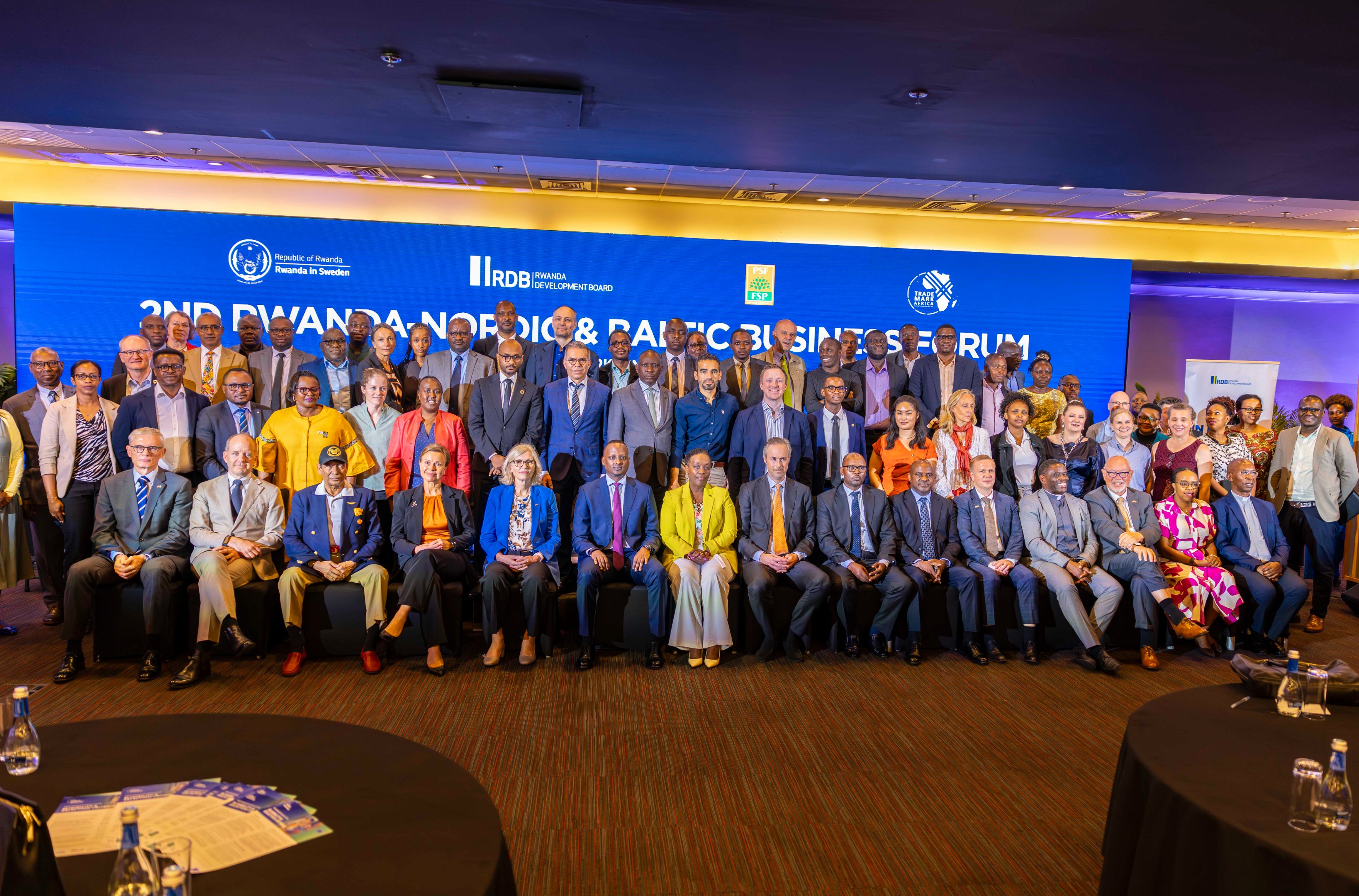
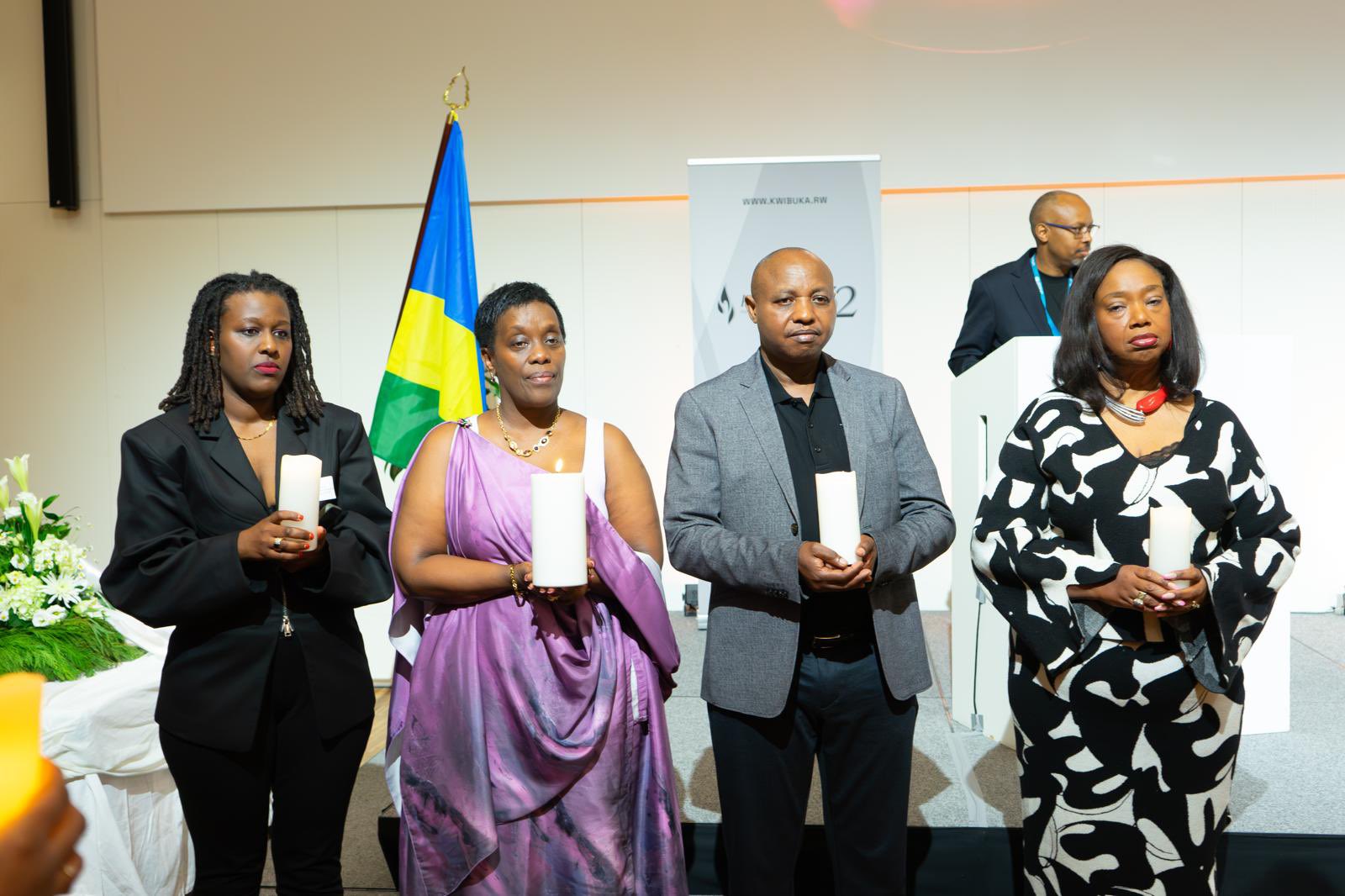
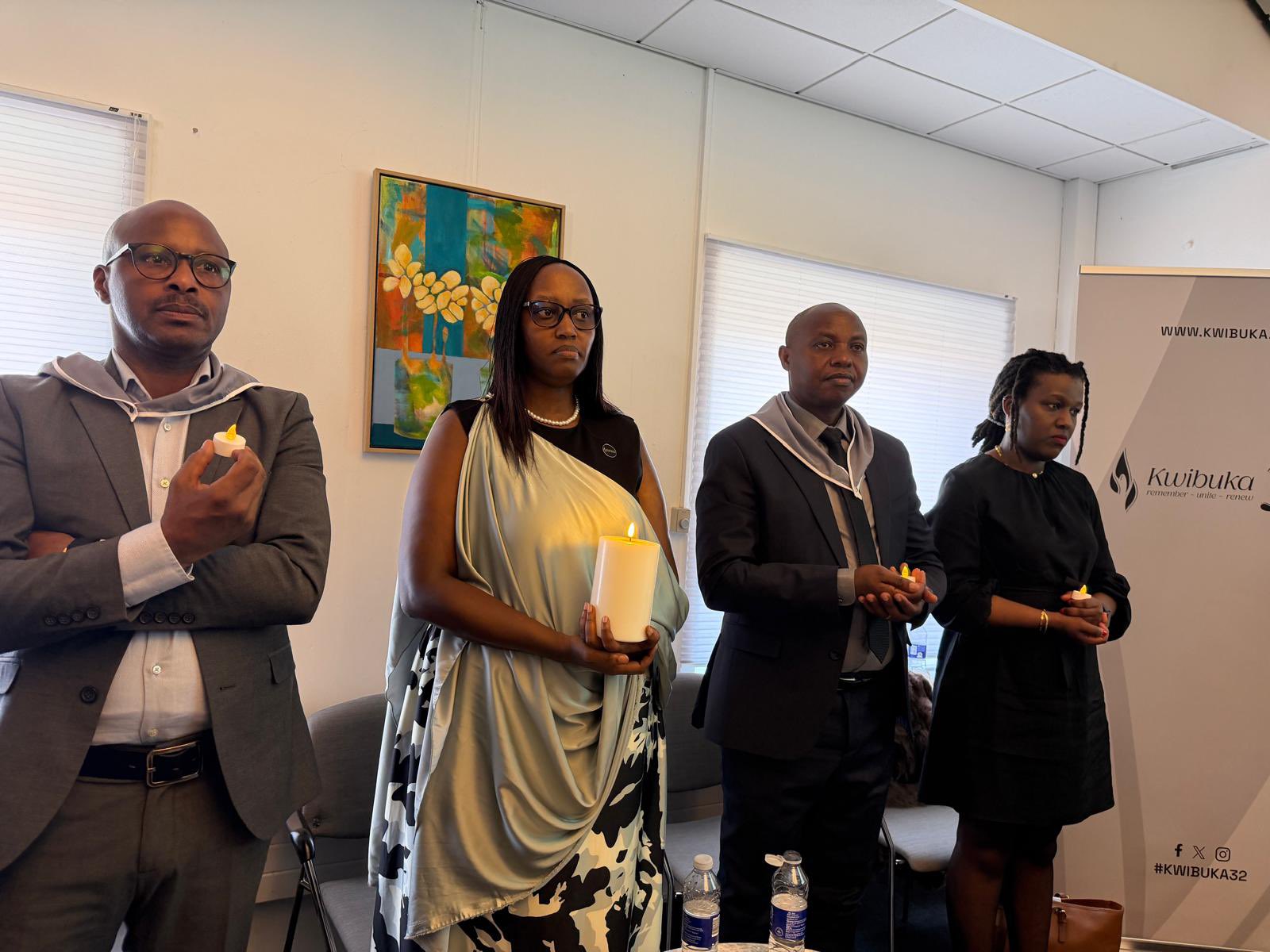
On 7 April 2025, the Embassy of Rwanda to the Nordic Countries, alongside 200 members of the Rwandan diaspora community in Denmark, friends and partners, 30 members of the diplomatic corps accredited to Denmark , including 16 Ambassadors, gathered at UN City in Copenhagen to mark Kwibuka 32 — the 32nd commemoration of the 1994 Genocide against the Tutsi. The ceremony brought together survivors, diplomats, government representatives, and young people in an act of collective remembrance — and collective responsibility.
"Genocide denial and hate speech are not history — they are an open wound and a continuation of genocide."— Mihana Edyssa, genocide survivor
Survivor Mihana Edyssa's words set the moral tone for the entire day. Speaking with clarity and force, she called on survivors to keep telling their stories — insisting that their experiences must never be erased. Her testimony was a reminder that commemoration is not a ritual of the past; it is a refusal to let the past be rewritten.
That refusal ran through every address. Egide-Victor Semukanya, President of IBUKA Denmark, was direct: genocide does not happen spontaneously — it begins with hate speech. He called on the international community not to remain silent in the face of rhetoric targeting any group and reaffirmed that "Never Again" must be a living commitment, not a commemorative phrase.
"Commemoration is a time to reaffirm that 'Never Again' is not just a slogan, but a commitment."— Egide-Victor Semukanya, President of IBUKA Denmark
Ambassador Karel Kovanda, who was The Permanent representative of the Czech Republic to the UNand non-permanent membersof the UNSC 1994/1995 , the first official in the entire UN system to publicly name what was happening in Rwanda as genocide, in a formal UN Security Council session in 1994 — reflected on the UNSC's failure with characteristic plainness. The RPF spoke the truth, and the world ignored it. The voice that deserved weight was shut out, while the government orchestrating the killings held a seat at the table. He emphasised that such failures must be named so they are never repeated.
Mr. Ole Thonke, Under-Secretary for Development Policy representing the Danish Government, echoed that weight: "The genocide against the Tutsi must also be a collective reminder of the importance of never becoming a passive witness to atrocities and crimes against humanity." His presence affirmed the solidarity of Rwanda's Nordic partners in keeping this memory — and this obligation — alive.
The panel discussion — featuring Ambassador Karel Kovanda, Ambassador Diane Gashumba, RCA Denmark President Diane Ganza, and youth representative Claude — pressed on the question of what accountability looks like today. The panel made clear that R2P is only meaningful if institutions act before atrocities, not after. Governments must listen with openness to early warnings. And when they don't, diaspora communities bear the responsibility to speak, to resist denial, and to keep the truth alive.
" A genocide against the Tutsi was raging in Rwanda in 1994, but the UNSC ignored my voice, informed by Claude Dusaidi, who was the RPF’s Director for External Relations with tangible references, tangible reports from General Romeo Dallaire, my fellow Ambassador Colin Keating of New Zealand, and Ibrahim Gambari of Nigeria. We all did our best to prod the UNSC to act, in vain."
"The genocide against the Tutsi shattered us as a nation. [...] The international community failed us. The RPF, led by President Kagame, rescued us. They stopped the genocide when the world was indifferent. They did what many failed to do. They acted when others debated. They protected when others withdrew. And we will never compromise on that bond."— Ambassador Diane Gashumba
Kwibuka — "to remember" in Kinyarwanda — is renewed each year not as a ceremony alone, but as a demand. In Copenhagen this April, that demand was met with honesty, grief, and resolve.
Topics
Conference on Remembrance, Unity and Renewal Held in Stockholm
A Day for Rwanda at Tangen High School and a Visit to Arkivet Peace and Human Rights Center
Kwibuka32: Bringing Remembrance, Learning, and Dialogue to Jutland, Denmark
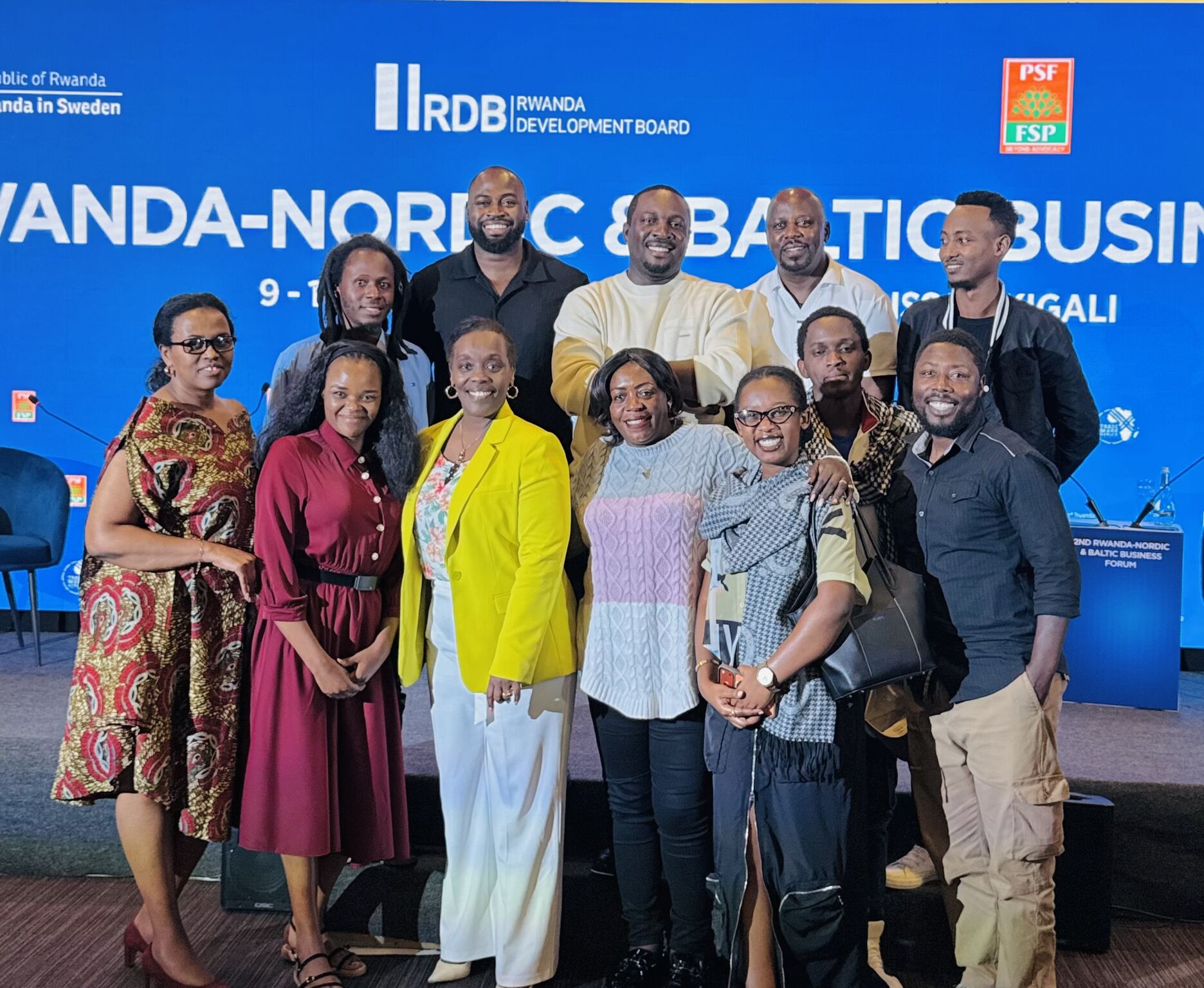
Filmmaker David Nzinga Engages Rwanda’s Creative Community Through Workshops, Screenings, and Cultural Visits
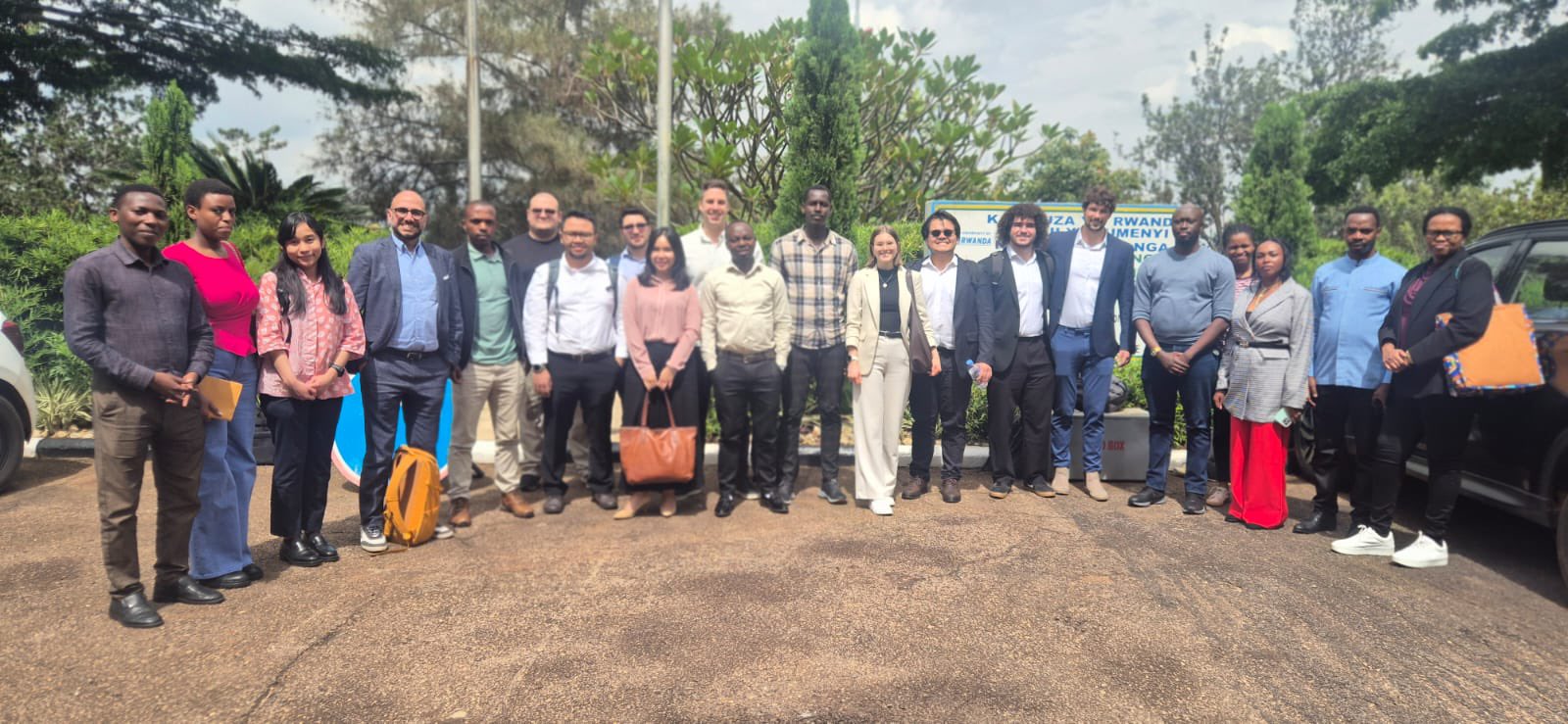
KTH and Rwandan Universities Advance Collaboration on Sustainable Energy Systems