Kwibuka32: Bringing Remembrance, Learning, and Dialogue to Jutland, Denmark
As part of the 32nd Commemoration of the 1994 Genocide against the Tutsi, the Embassy continues its outreach across the region, fostering reflection, education, and dialogue in Jutland, Denmark, with efforts led by Mr. Paul Nkubana, Chairperson of the Rwandan Community in Jutland & Fyn. First Counsellor Geraldine Umutesi engaged students, educators, and the wider community in meaningful conversations on Rwanda’s history and its journey of recovery.
Engaging Students in Learning and Reflection
At Skals Efterskole, First Counsellor Umutesi delivered an in-depth session exploring the preparation and execution of the 1994 Genocide against the Tutsi, while also highlighting Rwanda’s progress toward healing, justice, unity, and reconciliation.
Students participated actively, posing thoughtful and reflective questions on Rwanda’s unity policies, reconciliation efforts, and the realities of everyday life in Rwanda today. The session created a space for open dialogue, critical thinking, and a deeper understanding of the consequences of division and the importance of collective responsibility in preventing future atrocities.
Speaking on behalf of the school, Ms. Anna Johnson commended the resilience of the Rwandan people and the leadership that guided the country through one of the darkest chapters in its history. She encouraged students to continue learning about Rwanda, including through independent research and potential visits to the country, to better understand its transformation firsthand.
Diaspora Voices: Identity, Unity, and Responsibility
The session was further enriched by reflections from Mr. Paul Nkubana, Chairperson of the Rwandan Community in Jutland & Fyn. Addressing the students, he underscored the importance of unity among Rwandans, both at home and abroad.
He emphasized that Rwanda’s identity today is rooted in a shared national belonging, beyond historical divisions. His message highlighted that being Rwandan today entails understanding the past, committing to the prevention of genocide, and actively contributing to the country’s continued transformation. His remarks encouraged students to reflect on the role of identity and the responsibility of each generation in building peaceful and inclusive societies.
A Call to Action: Standing Against Hate Speech
In her concluding remarks, First Counsellor Umutesi issued a strong call to action, urging students to take a firm stand against hate speech in all its forms. She emphasized that such language not only reopens the wounds of survivors but also poses a serious threat to the well-being of future generations.
Students were encouraged to remain engaged, to continue learning about Rwanda and global histories of violence, and to contribute actively to building societies grounded in dignity, truth, and humanity.
Kwibuka32 Commemoration in Vejle: Honouring Memory, Inspiring Responsibility
The following day, the Rwandan community in Jutland & Fyn, in collaboration with Ibuka Denmark, the Embassy, and friends of Rwanda, gathered in Vejle to commemorate the 32nd anniversary of the 1994 Genocide against the Tutsi.
The commemoration began with a Walk to Remember, honouring the more than one million lives lost. This solemn tribute set the tone for a day dedicated to remembrance, reflection, and solidarity.
Survivors courageously shared their testimonies, ensuring that the truth of what happened in 1994 continues to be heard and remembered. Youth participants carried the memory forward through song and dialogue, demonstrating the vital role of younger generations in preserving history and promoting unity.
A panel discussion brought together diverse voices to reflect on the enduring significance of Kwibuka. Participants emphasized that remembrance is not only about the past, but a shared responsibility for the present and the future—an ongoing commitment to preventing genocide and fostering a world rooted in peace, justice, and human dignity.
Through these engagements in Denmark, #Kwibuka32 continues to serve as a platform for education, remembrance, and action.
Topics
Conference on Remembrance, Unity and Renewal Held in Stockholm
A Day for Rwanda at Tangen High School and a Visit to Arkivet Peace and Human Rights Center
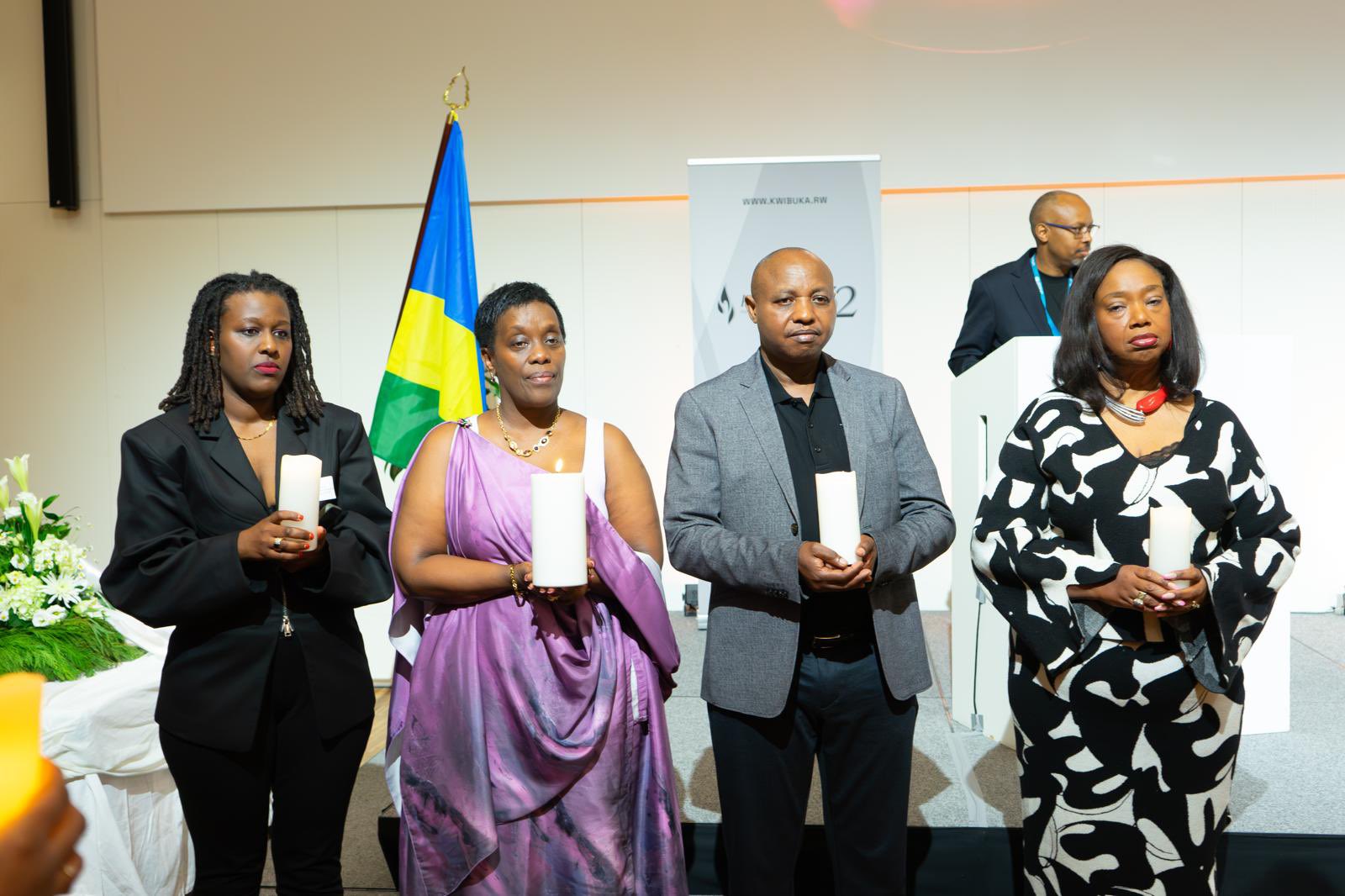
"Never Again" Is a Commitment, Not a Slogan: Kwibuka 32 at UN City Copenhagen7 April 2025 · UN City, Copenhagen
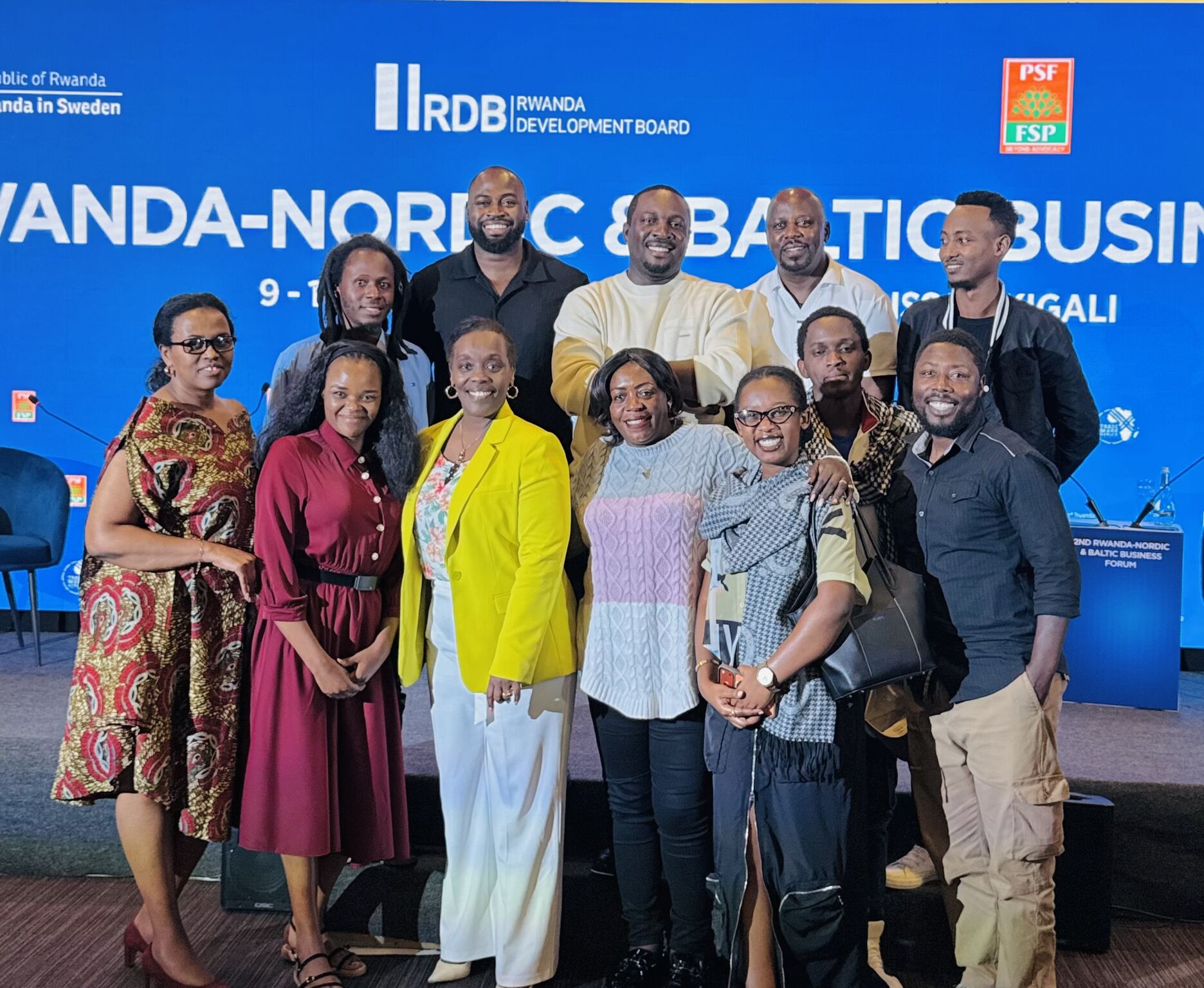
Filmmaker David Nzinga Engages Rwanda’s Creative Community Through Workshops, Screenings, and Cultural Visits
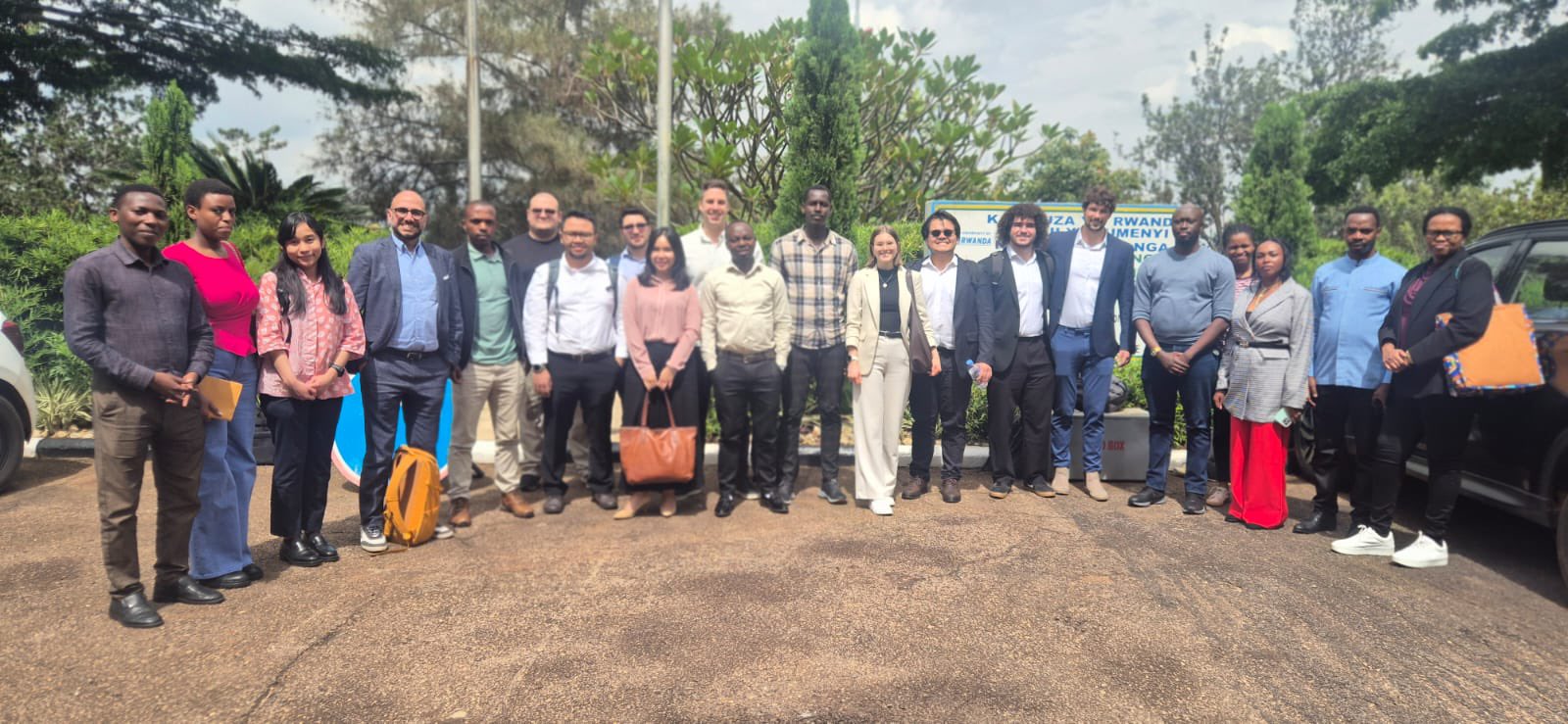
KTH and Rwandan Universities Advance Collaboration on Sustainable Energy Systems